San Mateo Estate Planning for Pets
Give your pets the long-term security they need with pet estate planning.
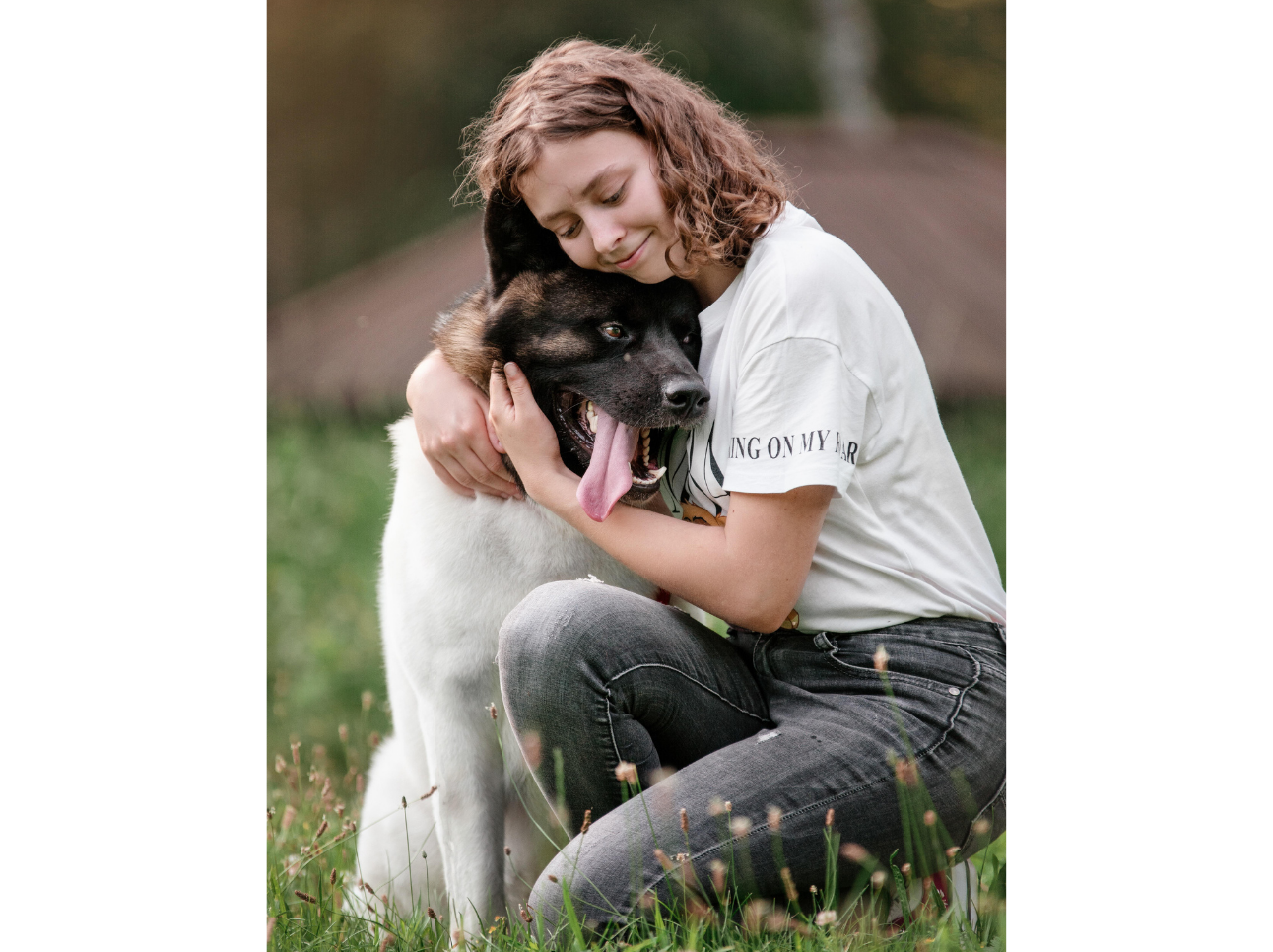
From playful afternoons at the park to nights cuddled together on the couch, our pets bring unconditional love to every day of our lives. Though we tend to focus on the joy they bring us, how many of us stop to consider what will happen to them if we are someday no longer able to care for them?
Estate planning for pets gives owners a way to make sure that these special members of our families are well cared for, even after we can no longer look after them ourselves.
If you’re not sure what would happen to your pet, it’s worth putting a plan in place now.
At the Law Office of Vidhya Babu, we help families in San Mateo and the Bay Area put comprehensive plans in place so that our furry family members are not overlooked during the estate planning process.
What Happens When Pets Are Left Out of Estate Planning
When most families begin the process of estate planning, they put a great deal of thought into how their assets will be divided. Yet those plans don’t always take into account the long-term care of their pets.
California law considers pets to be personal property. When an owner passes away or becomes incapacitated with no formal plan to care for their pets, they risk an uncertain future.
Without including specific instructions like a pet clause in a will or establishing a pet trust, animals can get lost in the shuffle of probate. They may be given to a shelter or placed with a friend or family member who isn’t prepared to care for them.
Their future may ultimately be decided through the probate process, which may not offer the outcome we want for our pets.
What is Pet Estate Planning?
The good news is that pet estate planning gives owners a way to make arrangements for their pets after death or incapacitation. There are two main forms of pet estate planning:
Pet Will
Pet estate planning can be as simple as including a pet clause in your will. A pet will offers the simplest way for an owner to designate a legal guardian for the animal once the owner passes away.
Pet wills can leave specific instructions for the animal’s care, including dietary requirements and treatments. Pet clauses in a will can also set aside funds for the guardian to pay for the animal’s care.
Because pets are legally considered property, they cannot be named as beneficiaries. While pet wills are legally valid documents, there is no formal oversight for how a caregiver uses those funds. That means you must completely trust the named caregiver in a pet will.
Individual circumstances often change, so it’s best practice in pet wills to choose at least one backup guardian in case the original choice is unable or unwilling to assume the responsibility.
Pet Trusts
In California, when pet owners require a more concrete way to ensure their pet’s care, they often include a special pet care provision within their own trust.
While often referred to informally as a pet trust, it's not actually a separate “pet trust” per se.
Instead, it functions as a clause within their trust that names a guardian for their pet and includes specific instructions for their care. The grantor, the person who establishes the trust, can also set aside funds to be used for their pet’s care.
The grantor also appoints a trustee to manage the trust assets, who distributes funds to the caregiver.
Most notably, this structure creates a legally enforceable obligation that ensures trust funds are used solely for the care of the pet.
How Estate Planning for Pets is Usually Handled in San Mateo
For many pet owners, the most secure way of including your pets in estate planning is to include a pet clause within a revocable living trust, rather than a provision in a will.
Including a pet clause in a will can name a caregiver and leave instructions for their care. However, once probate is over and the new owner takes possession of the animal, there is no ongoing way to ensure your care instructions are followed.
By including a pet trust clause within your revocable living trust, you create a legally binding arrangement for your pet’s care.
A pet trust clause also makes it easier to specifically set aside funds for your pet’s long-term care.
The trustee will typically oversee the distribution of funds. Depending on how the specific provision is drafted, the trustee can potentially adjust or withhold distributions if the caregiver does not comply with the trust’s terms.
In addition, pet trusts allow you to leave more detailed instructions for the future care of your pet. They can specify your pet’s required diet, veterinary care needs, grooming, and even end-of-life decisions.
Another advantage is that pet trusts provisions take effect immediately upon your passing or incapacitation, which means your pets will be cared for without the delay of probate.
In comparison to a pet trust clause, a pet will is often more effective as a backup plan for pet care, rather than the primary plan.
Why Choose the Law Office of Vidhya Babu as Your San Mateo Pet Estate Planning Attorney?
At the Law Office of Vidhya Babu, we understand that pets are an important part of your family that deserves to be cared for after you’re gone.
We can listen to your personal situation and your pet’s needs, and help you decide whether a pet will or pet trust will offer the best solution. Because our team handles the estate planning needs of families throughout San Mateo and the Bay Area, we will help you avoid the common mistakes that can lead to confusion or unenforceable clauses.
When you choose the Law Office of Vidhya Babu, you get clear, straightforward legal guidance, tailored to your family’s needs. Together, we’ll discuss all your options and decide on the best plan for your pet’s long-term care.
Pet Estate Planning FAQs
No matter how much we love them, it is not possible to leave money directly to a pet. In California, pets are considered to be personal property and thus cannot be named as heirs or beneficiaries.
However, funds for a pet’s care can be set aside in a pet trust or by leaving funds to a pet’s named guardian in a pet will.
A pet clause in a will names a caregiver and can potentially leave them a set amount of funds to pay for the animal’s care.
However, once probate is over and the pet is in the hands of the new owner, there is no oversight on how your pet is actually cared for.
By comparison, a pet trust creates a legal and fiduciary responsibility for the appointed pet guardian to follow care instructions and to use any funds exclusively for the pet’s care.
Essentially, that means that a pet trust clause is enforceable, where a pet will is not.
A trust offers more privacy and control, and is ideal for families with significant assets and properties. Many families in Redwood City choose to create both documents as part of a comprehensive estate plan.
While a pet will or pet trust isn’t strictly necessary legally speaking, if you plan to set aside money for the care of your pet, a trust gives you and your pet the most protection to ensure that the funds are used solely for that purpose.
The answer will depend on your pet’s age, overall health, and expected lifespan. Typical costs include food, veterinary care, emergencies, and grooming. In a pet will, any funds must be left directly to the pet’s caregiver. A pet trust establishes a legally binding fiduciary relationship that makes sure any money you leave will be spent solely on your pet’s care.
Yes, you can absolutely add your pet to your existing will or create a pet trust even if you’ve already formalized your primary estate plan. The Law Office of Vidhya Babu can advise you on which structure works best for your personal situation.
The Law Office of Vidhya Babu: Comprehensive Estate Planning for Pets and Families in San Mateo
Making arrangements for pets after death isn’t always something that immediately comes to mind during the estate planning process. At the Law Office of Vidhya Babu, we want to make sure that our clients’ pets are fully included in estate planning.
Whether it’s a pet clause in a will or you wish to establish a legally binding pet trust, our team will help you understand your options and advise you on the best way for you to see that your pets are looked after when you’re gone.
Contact the Law Office of Vidhya Babu today for a personalized consultation on how pet estate planning ensures your complete family is cared for.

The contents and materials of this website should be used as a general guideline and not as the ultimate source of current information. The user should consult their own legal, accounting, or other advisors.