Estate Planning for Blended Families in California
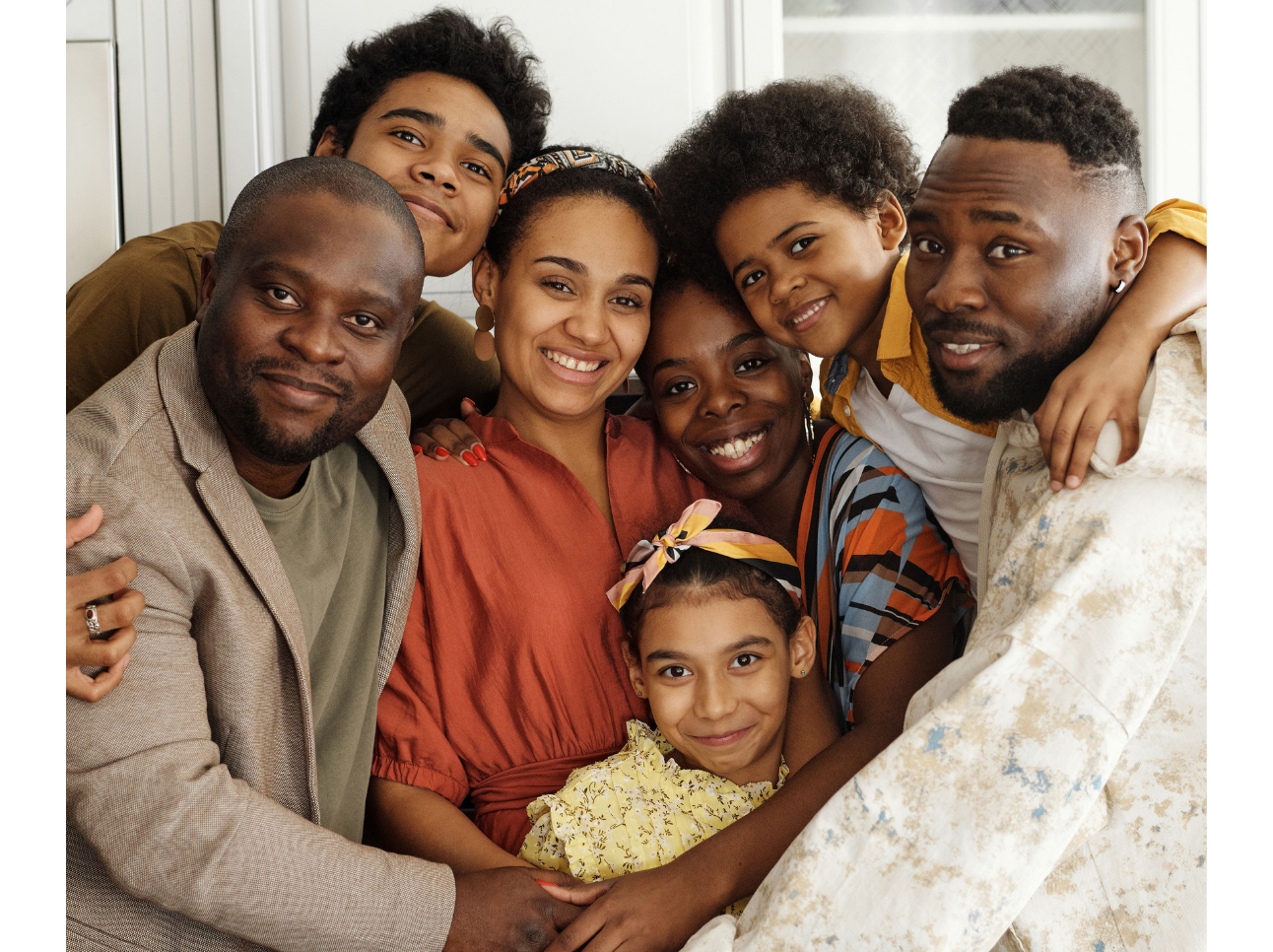
California families come in all shapes and sizes. Sometimes, couples get married who not only bring children from a previous relationship, but different assets and financial responsibilities as well.
These family structures are often called blended families. Whether you already have an estate plan or you’re looking to create one, estate planning for blended families in California is about one thing: protecting your spouse without unintentionally disinheriting your children.
At the Law Office of Vidhya Babu, we help blended families in San Mateo and the Bay Area learn how to protect children from a previous marriage in California, while ensuring that your current spouse is taken care of in a way that is fair for the entire family.
Why Blended Families Require Special Estate Planning Attention
Estate planning is supposed to streamline how a person’s assets are transferred to loved ones after passing, but blended families create special considerations that differ from conventional estate planning.
Blended families, also called step families, must carefully balance the needs of the current spouse with children from previous relationships.
Traditional family structures have straightforward inheritance lines. Assets are generally passed first to the surviving spouse, then to their shared children. When spouses bring children from prior relationships into a marriage, inheritance becomes more complex. Couples often want to provide for their surviving spouse, while also keeping assets for their own children to inherit in the future.
With overlapping interests, blended families tend to benefit most from more customized estate planning.
Partners who already have an estate plan in place and later remarry also need to update their plans. An outdated will, trust, or beneficiary designation may no longer reflect your current wishes and can create confusion around who should inherit your assets.
Challenges in Estate Planning After Remarriage in California
Blended families face unique challenges that require special planning beyond the typical inheritance decisions.
Balancing a Spouse’s Needs vs Children’s Inheritances
Balancing the inheritances of both children and spouse is the biggest concern most blended families face. Without advance planning, these interests often conflict. Children from a previous marriage may expect to receive a larger sum than the new spouse, or vice versa.
Most blended families want a balanced approach that supports a surviving spouse, while still preserving inheritances for each partner’s children.
Stepchildren Inheritance in California Law
Blended family inheritance rights in California aren’t automatic. California law generally does not automatically include stepchildren in the line of inheritance. Stepchildren must be explicitly included in a will or trust to have a legal claim to inheritance.
Outdated Estate Plans
If you already have an estate plan, it should be updated after you remarry in order to include your new spouse and their children.
Outdated will or trust documents, as well as beneficiary designations for retirement plans and insurance policies can create confusion and unintended results. Keeping these documents updated ensures that your current wishes are reflected.
Separate Property vs Community Property
California is a community property state. Assets purchased together as a married couple typically belong equally to both parties, however, separate property acquired before a couple marries can create competing inheritance rights between children and the surviving spouse.
Conflicts Between Family Members
Blended families are more likely to see disputes arise between biological children and stepparents when inheritance plans are not well documented. A solid estate plan should be as explicit as possible in detailing distributions, as well as whether or not children have any oversight or control over the process.
All of these issues make estate planning after remarriage in California important for reducing the risk of family disputes after a partner passes.
What Happens When a Blended Family Has No Estate Plan?
When blended families in California lack any kind of formal estate planning, the assets of the person who passes away are distributed according to California’s intestate laws.
These laws generally do not recognize stepchildren as part of the line of succession. Your surviving spouse is likely to receive the majority of your assets, but your children from a previous relationship are also legally entitled to inherit assets.
Because California is a community property state, the surviving spouse will generally receive any property that was purchased or acquired together during the marriage. However, any property or assets acquired by the deceased spouse before they remarried would be split between their current spouse and the children from prior relationships.
This can get complicated quickly, and potentially lead to conflicts over ownership and who has control over finances.
For many families, the question is how to protect children from a previous marriage in California, while still providing a level of financial security for the surviving spouse.
Estate Planning Strategies for Blended Families
Blended families need strategies that balance the interests of each partner with the needs of their own children. Trusts provide one of the most effective options for balancing the needs of both spouses and children in blended families.
At the Law Office of Vidhya Babu, we work closely with clients to find a trust strategy that fits blended families based on their goals, assets, and family dynamics.
Trusts That Support a Surviving Spouse and Protect Children
One of the most commonly used strategies is creating an optimized trust for blended families in California.
Trusts are popular because they can be structured to provide the surviving spouse with the financial support to maintain a comfortable standard of living during their lifetime, while the rest of the assets are preserved for the children.
A trust can allow the spouse to continue to use property titled to the trust, as well as receive income from trust assets. They can also gain access to trust funds for health care and living expenses, however the remaining assets are protected for future distribution to children.
After they pass, the remaining assets are distributed to the children of each spouse per the family’s wishes.
Controlled Distributions That Protect Principal
Another popular method of estate planning after remarriage in California involves a trust that provides controlled financial distributions to the surviving spouse. This ensures that they have the financial support to continue living comfortably, but requires larger withdrawals from the trust to be approved by the trustee.
This arrangement prioritizes preserving the long-term family assets held by the trust, while still providing flexibility for the spouse’s living and medical needs.
Independent Trustees
Many trustees are family members, but in the case of blended families, sometimes it makes more sense to have a neutral trustee appointed who can impartially manage the trust’s assets.
Using a neutral fiduciary or trust company avoids a situation where children and the surviving stepparent must oversee each other’s distributions and financial decisions. That keeps family emotion out of trust decisions, and ensures that distributions are made without favoritism, according to trust terms.
Children Receiving Inheritance at First Death
Trusts for blended families in California can be structured to provide partial distributions to children when the first spouse passes away. By giving children a financial benefit early, this structure helps ease uncertainty about the inheritance process itself.
Most trust structures that use distributions to children at first death also continue to provide long-term support for the surviving spouse.
Separate Inheritances for Each Family Line
When each spouse brings their own significant assets into the blended family, a common choice is to leave their own separate property and assets to their own children. This is especially common when each partner brings separate assets like real estate or investment accounts into the new marriage.
Why Work With The Law Office of Vidhya Babu?
Every blended family is different. Some prioritize the long-term financial security of the surviving spouse, while others wish to preserve their separate assets for their own biological children.
At the Law Office of Vidhya Babu, our team is dedicated to helping blended families in San Mateo and the Bay Area explore all their estate planning options, and ensure that no one is left out.
We can help you understand your total assets, and structure wills and trusts for remarried couples in California so that they reduce conflict and support your loved ones the way you intend.
Create an Estate Plan That Matches the Uniqueness of Your Family
Whether you’ve just recently remarried and need an estate plan for stepchildren in California, or you need to update an outdated estate plan, the Law Office of Vidhya Babu can help.
With offices in San Mateo, we help Bay Area families of all kinds develop custom estate plans designed to balance care for the surviving spouse with support for children from another relationship.
Contact our team for an initial consultation, let’s discuss your estate planning goals in San Mateo.
FAQs About Estate Planning for Blended Families in California
No, stepchildren generally do not automatically gain any inheritance rights under California intestate succession laws. An estate plan for stepchildren in California must be created in order for them to receive an inheritance from a non-biological parent.
Yes, in most situations it is advisable to revisit your existing will, trust, and beneficiary designations after remarrying. Major life events, such as a divorce, marriage, or birth of a child can change your wishes. Updating your estate plan ensures that it reflects your current wishes and can reduce confusion later.
Yes, a trust-based estate plan gives you the flexibility to structure the trust to give your surviving spouse financial support, while preserving assets for your own children from a prior relationship.
While most traditional estate plans choose a surviving spouse or child to serve as trustee, blended families can benefit from choosing a neutral person to serve in that role. Using a professional fiduciary helps keep things fair and minimizes the potential for family conflict.

The contents and materials of this website should be used as a general guideline and not as the ultimate source of current information. The user should consult their own legal, accounting, or other advisors.